



Related Links
Case Updates
Krishna Adhikari
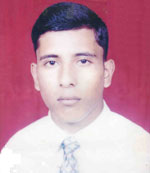 On 6 June 2004, Krishna Prasad Adhikari, a resident of Fujel village of Gorkha District, was murdered in Chitwan District by Maoist cadres. Krishna Prasad was visiting his grandparents after having taken the SLC examinations, and he was abducted from Bakullahar Chowk by men who came on a motorcycle ...
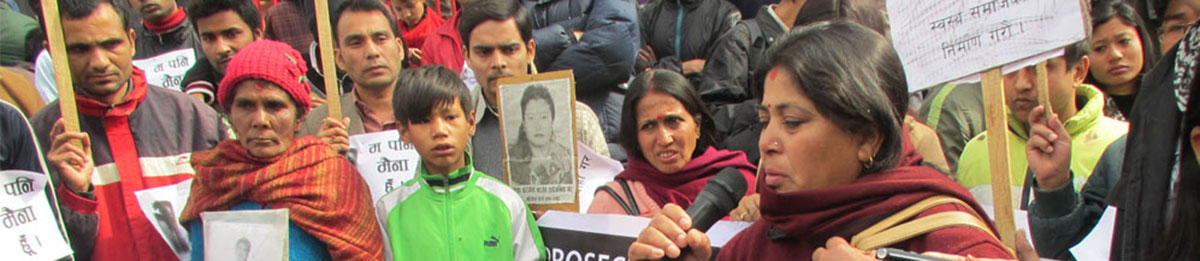
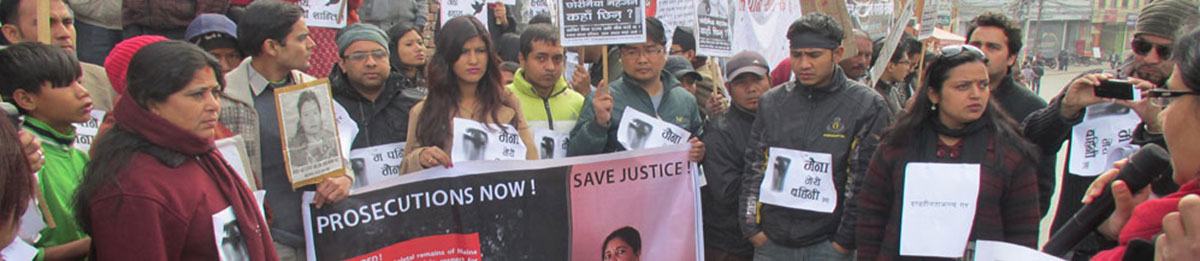
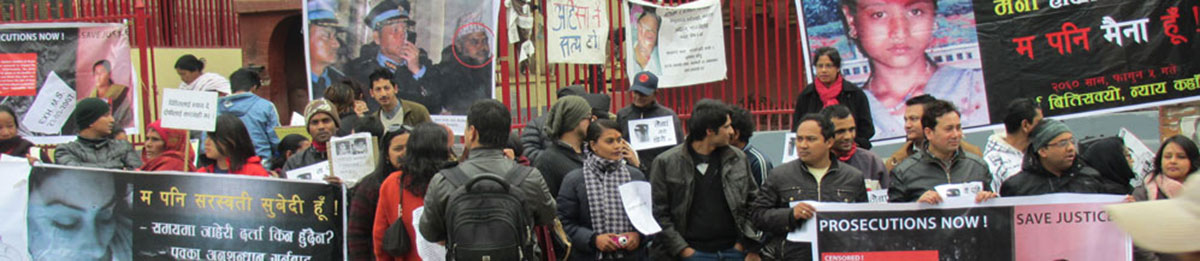
 Maina Sunuwar
 Around 6 am on February 17, 2004, a group of RNA soldiers arrested Ms
Maina Sunuwar, a 15-year-old schoolgirl of Kharelthok VDC-6, Kavre
district. She disappeared since her arrest. Her family members, with
support from villagers and school where Maina was a student, visited
detention centers ...
Around 6 am on February 17, 2004, a group of RNA soldiers arrested Ms
Maina Sunuwar, a 15-year-old schoolgirl of Kharelthok VDC-6, Kavre
district. She disappeared since her arrest. Her family members, with
support from villagers and school where Maina was a student, visited
detention centers ... Sanjeev Kumar Karna
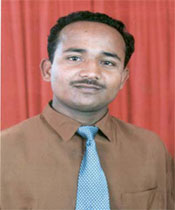 Sanjeev Kumar Karna was one among the 11 persons arrested on October 8, 2003. On that fateful day, they had gone to attend a picnic program organized by the students at a place called Kariyachauri VDC-4, and from picnic, they went to Kataiya Chowri Area of Dhanusha district where they ate some food ...
 Arjun Bahadur Lama
Hari Prasad Bolakhe
Sarala Sapkota
Birendra Shah
Bishwanath Parajuli, Tom Nath Poudel and Dhan Bahadur Tamang
Chot Nath Ghimire and Shekhar Nath Ghimire
Bhauna Tharu

Female Journalists Urged to Continue Raising TJ Issues
Advocacy Forum-Nepal, in collaboration with the International Commission of Jurists (ICJ) and Sancharika Samuha, organized the programme on April 17, 2024.
During the event, ICJ's National Legal Advisor, Advocate Kashiram Dhungana, provided an overview of Nepal's transitional justice (TJ) process and analysed the strengths and weaknesses of the Bill to amend the Enforced Disappearances Inquiry, Truth and Reconciliation Commission Act (TJ Bill).
ICJ's National Legal Advisor Advocate Laxmi Pokhrel analysed the TJ Bill from a gender perspective, emphasizing the need for the Truth and Reconciliation Commission to ensure the privacy of women victims when recording their statements. She also urged journalists to approach the TJ issue from a gender angle.
Secretary of Sancharika Samuha, Durga Karki, highlighted the media's role in pressuring the government and the dysfunctional TRC to expedite the investigation of conflict-era cases by writing numerous stories about the victims of the conflict. She emphasized that stories featuring the trauma faced by the victims could serve as powerful documentation. Karki also explained the challenges journalists face due to job insecurity and editorial restraints.
Participating journalists, including Punam Poudel, Pabitra Sunar, Nima Kafle, and Chandani Hamal, shared their opinions on the TJ process and their experiences in reporting on it and writing about the conflict victims. Nima Kafle stressed the need for the media to pressure political leaders to apologize for their inaction in providing justice to victims.
Gita Rasaili from the Conflict Victim Women National Network and AF's Director Bikash Basnet expressed gratitude to the participating journalists and requested them to produce news stories about the conflict victims while ensuring confidentiality and privacy.



Join Us